
Why volunteer action, waste prevention and reliable civic services must work together
Introduction
A riverbank covered in plastic, a neighbourhood drain clogged with rubbish or a neglected public space can seem like problems too large for one person to solve. It is easy to assume that someone else will act: a municipal team, a local organisation or another resident. Yet public spaces belong to everyone who uses them, and community action can be a useful starting point.
Across India, individuals and community groups have taken the initiative to clean neglected spaces, draw attention to local environmental problems and encourage others to participate. Their work can remove visible waste and change how people view a place. But the strongest initiatives understand that a clean-up is a beginning, not a substitute for waste prevention and reliable civic services.
One person can start a movement
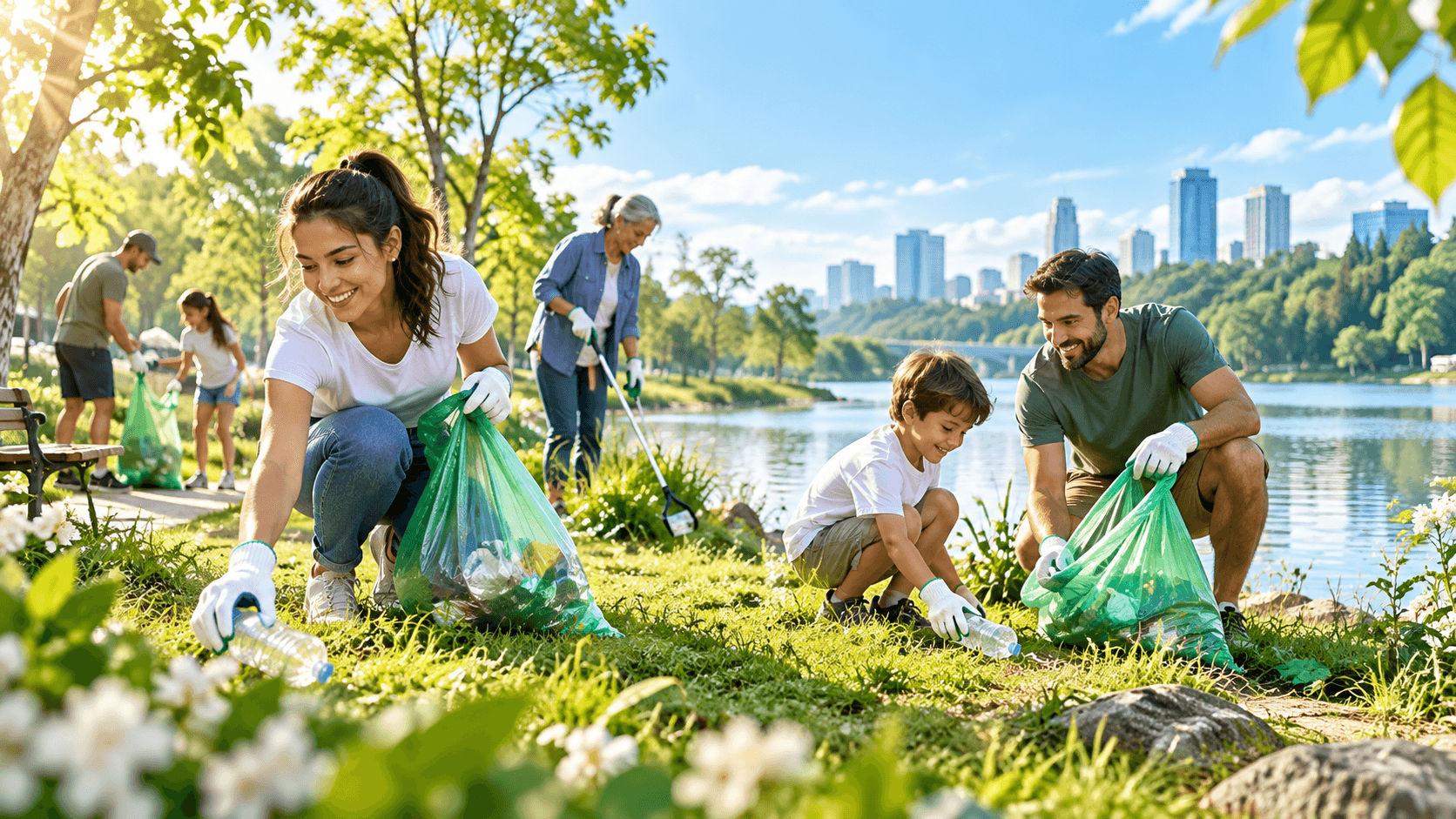
Community-led clean-ups often begin with a simple decision to stop looking away. A volunteer notices an accumulation of waste, returns to remove it and encourages others to join. Over time, a small effort may attract residents, students, local organisations and businesses.
They can also make a problem harder to ignore. A photograph of a littered riverbank or a record of recurring dumping can help residents explain the issue and seek a response from the relevant authority.
Still, a successful event should not be measured only by the number of volunteers or the volume of rubbish removed. The more important question is whether the activity contributes to lasting improvement.
Cleaning is not the same as solving the problem
A riverbank can look cleaner after a volunteer drive, but the underlying problem may remain if untreated sewage continues to flow into the river or waste collection is unreliable. Similarly, removing plastic from a neighbourhood drain does not eliminate the need for proper waste disposal, drainage maintenance and action against illegal dumping.
Clean-ups can restore neglected spaces and build public awareness, but long-term improvement requires prevention and functioning civic systems. Before organising a drive, groups should ask two questions: What can we safely remove now, and what keeps causing the problem? The answers may be different. Volunteers can collect litter from a safe area, while recurring dumping, sewage discharge or hazardous waste needs to be reported to the appropriate authority and handled by trained personnel.
Moving rubbish from one spot to another is not a solution. Organisers should plan how collected waste will be sorted, transported and handed over to an authorised collection or processing route. Otherwise, the clean-up risks creating a second waste problem nearby.
From individual action to collective responsibility
Community clean-ups are most effective when organised safely and thoughtfully. Volunteers should understand what they are collecting, use suitable gloves and tools, wear appropriate footwear and avoid handling medical, chemical, sharp or other hazardous waste without trained support. Children should not be assigned tasks involving potentially dangerous material.
Volunteers can also document recurring problems, identify litter hotspots, encourage households and businesses to segregate waste, and raise concerns about sewage, drainage or unreliable collection through the appropriate channels. Resident associations, schools, workplaces and local groups can support regular initiatives rather than treating cleanliness as a once-a-year event.
The role of citizens and civic authorities
Citizens should not have to replace municipal services with unpaid labour. Local authorities remain responsible for the public services, infrastructure and enforcement assigned to them. They need to provide reliable collection, maintain public spaces and drains, respond to reports and ensure that waste reaches appropriate treatment or disposal facilities.
At the same time, citizens can help make those systems work better by disposing of waste correctly, avoiding littering, reporting persistent problems and participating in local decisions. Communities can share precise information about a location and the nature of the problem, then follow up to find out what action was taken.
Partnership does not mean blurring accountability. Volunteer action can highlight gaps and help build public participation, while civic institutions must continue to deliver the services residents are entitled to expect.
What can we do in our own neighbourhood?
Start by identifying a specific problem: a littered corner, an overflowing bin, waste accumulating beside a park or a recurring blockage in a public drain. Observe whether the problem is occasional or repeated, and consider what may be causing it. Is collection missed? Are there too few bins? Is waste being dumped after dark? A clearer understanding helps determine whether a clean-up, a service request or both are needed.
Speak with neighbours and the relevant local authority. Organise a safe clean-up if appropriate, ensure collected waste is disposed of correctly and follow up on the underlying issue. If the same problem returns, document the pattern and ask for a preventive measure rather than simply repeating the same activity.
Most importantly, do not add to the problem. Carry waste until a suitable bin is available, segregate household rubbish and encourage others to respect shared spaces.
A cleaner India is built through continuity
The most meaningful outcome of a clean-up is not just the amount of waste removed. It is whether the space stays cleaner, whether fewer people litter, whether collection improves and whether the community has a practical way to respond when the problem returns.
A clean-up can be a visible expression of care, but lasting change comes from continuity: prevention, maintenance, participation and accountability. The people who volunteer deserve support, and sanitation workers deserve safe working conditions and respect. Local authorities must be able to provide reliable services, while residents must do their part to keep waste out of public spaces.
A cleaner environment requires people willing to act, communities willing to cooperate and institutions capable of delivering dependable services. We should not wait for someone else to care about the place we share. We should also make sure that our action contributes to a solution that lasts beyond the day the brooms and bags are put away.